
Quick Answer
In Florida, almost everything in an offer is negotiable except the printed wording of the contract form. Price, deposit, closing date, financing terms, inspection period, title and survey costs, seller credits, included items, possession date and riders are all on the table. Form defaults, like a 15 day inspection period, apply only when a blank is left empty.
Negotiating a Florida offer at a glance
- Negotiable: price, deposit amount and timing, closing date, loan approval period, inspection period, credits, included items, possession date and riders.
- Not negotiable: the printed wording of the contract form.
- Printed defaults: a 15 day inspection period, a 30 day loan approval period and an initial deposit due 3 days after the Effective Date, but only when the blank is left empty.
- How trades work: buyers trade price against certainty, and sellers trade price against speed and simplicity.
- Get it in writing: every agreed trade belongs in the signed contract.
Most buyers negotiate one number. Smart buyers negotiate ten.
 Ask a first time buyer what is negotiable in an offer and you will get one answer. The price.
Then the offer goes in at full asking, with every other term left at whatever the form printed, and the buyer wonders why the seller picked someone else. Sellers read offers as a package of money, timing, and risk. A slightly lower price with a fast closing and a short inspection period can beat a higher price wrapped in maybes.
Here is every lever, and what each side trades it for. This is the same tour found on the Florida As Is Contract guide page, zoomed in on the negotiating table.
Is the price negotiable in a Florida offer?
Yes, obviously, but price is the bluntest tool you own. Buyers trade price against certainty. Sellers trade price against speed and simplicity. When you understand that, you stop haggling over one line and start building an offer the other side can say yes to.
How much deposit should I offer, and when is it due?
Your deposit, also called earnest money, is negotiable in both amount and timing, as the escrow and earnest money guide walks through. A larger deposit, delivered fast, tells a seller you are serious and have cash ready. The printed default on the As Is form is an initial deposit due 3 days after the Effective Date, only if the blank is left empty. Some buyers split it, part up front and part after the inspection period, to keep cash protected while the home is being checked out.
Can I negotiate the closing date?
Yes, and it is one of the cheapest wins in the whole offer. A closing date that matches the seller's plans, quick for a seller who has already bought their next home or slower for one who has not, can be worth more than a few thousand dollars. If you can flex your date by a week or two, you hold a lever that costs you nothing. Ask what the seller needs before you pick a date out of the air.
Are financing terms and the loan approval period negotiable?
Yes. Cash or financing is itself a term of the offer, and so is the loan approval period if you are financing. The printed default on the form is a 30 day loan approval period when the blank is left empty.
A shorter loan approval period, backed by a real preapproval, tells the seller your financing is not a gamble. Cash removes that risk entirely, which is why cash offers can win at a lower price. You are trading the seller's peace of mind, and it has real dollar value even though it never appears on the price line.
How long should the inspection period be?
The inspection period length is negotiable, and it is the lever buyers feel most directly. Under the Florida Realtors and Florida Bar As Is contract, the buyer gets the number of days written into the contract to inspect the home and cancel for any reason, and if that blank is left empty, the contract itself says the period is 15 days.
A shorter inspection period is a classic trade: certainty faster for the seller, a real argument for a better price for you. Just never trade away days you actually need, because once that window closes, your easy exit closes with it. The step by step Buyer's Guide shows where this deadline sits in the full timeline.
Who pays for title insurance, the survey, and a home warranty?
- Title insurance: who pays for the owner's policy is a contract term, not a law of nature. Local custom is a starting point, not a rule.
- Survey: a buyer can ask the seller to pay for a new survey, or provide an existing one.
- Home warranty: buyers often ask the seller to include a one year home warranty. Modest cost to the seller, real peace of mind in year one.
Stacked together, these are how an offer gets tuned instead of just priced.
Can a seller give credits toward closing costs or agent compensation?
Yes. A seller credit toward your closing costs is negotiable, and so are terms around buyer agent compensation. For buyers who are cash tight but income strong, a credit can matter more than a price cut, because it lowers the cash you need on closing day. Sellers, run the net, not the headline: a credit paired with a higher price can net you the same money.
Are appliances, furniture, and other items negotiable?
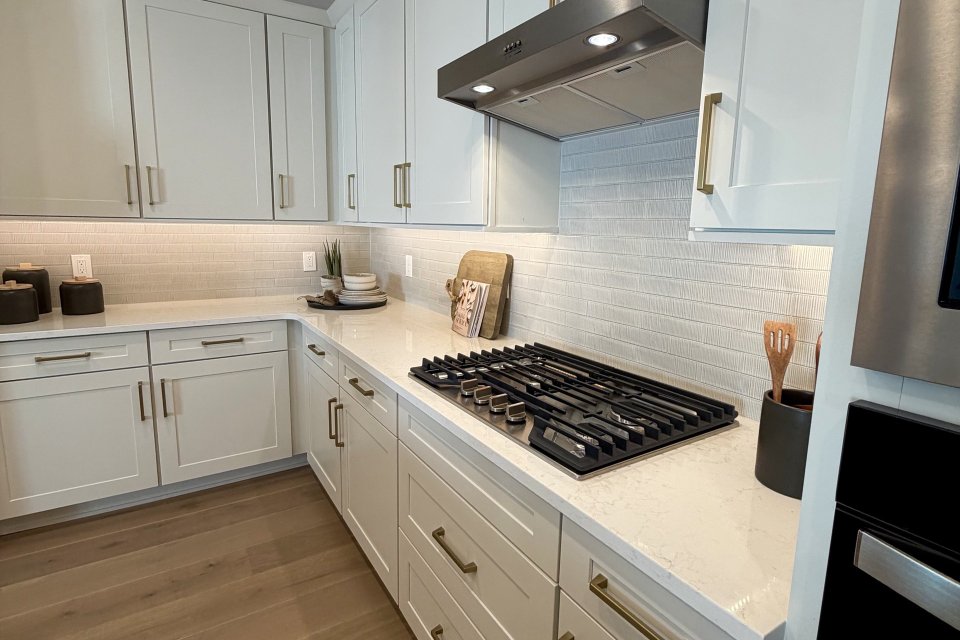 Completely. Refrigerators, washers and dryers, patio furniture, mounted TVs, even the grill. If it is in the house and you want it, it can be written in as included, and if you are the seller, anything you plan to take should be written in as excluded. The only rule is to write it down, by item. Verbal understandings about personal property are where closings go to get dramatic. Take a photo of each included item at your showing, then confirm it is still there at the final walk through. That is where last minute surprises get caught before you close.
Specific beats general. “The stainless refrigerator in the kitchen” ends a debate before it starts. “The appliances” starts one.
Can the possession date be negotiated?
Yes. Possession is usually at closing, but it does not have to be. A seller who needs a few days after closing to move out can negotiate a short post closing occupancy. Like the closing date, possession is a timing lever. It costs one side little and can solve the other side's biggest problem.
What about riders, and what actually cannot be negotiated?
Any rider you add is part of the negotiation. HOA riders, condo riders, an appraisal contingency, or a rider for the sale of your current home all change the deal's shape, and sellers weigh them heavily because most riders add risk or time. Every rider you attach should earn its place.
What is not negotiable is the printed language of the form itself. Nobody rewrites the Florida Realtors and Florida Bar contract paragraphs for one deal. What you negotiate is the blanks, the checkboxes, the addenda, and the riders, and riders take priority over the printed form when there is a conflict. Think of the form as the field. The blanks are the game.
One last thing. Get your trades in the contract, in writing, before you sign. A negotiation you had at the kitchen table does not exist. A negotiation in the signed contract is the deal.
Thinking about an offer on a home in Winter Garden, Windermere, or anywhere in the Orlando area? Message me before you write it. Ten minutes on terms can save you thousands on price.
Related reading: What Does As Is Mean in a Florida Real Estate Contract?, Is a Buyer Representation Agreement Mandatory in Florida?, the Inspection Period guide and the Loan Contingency guide.
This post is general education about a standard Florida contract form. It is not legal advice. For advice about your specific contract, talk to a Florida real estate attorney.
Share this one: Know someone getting ready to make an offer on a Florida home? Send them this first. It will change the offer they write.
Frequently asked questions
What is negotiable in a Florida real estate offer?
Almost everything except the printed form language. Price, deposits and their timing, closing date, financing and the loan approval period, inspection period length, title insurance, survey and warranty costs, seller credits, included or excluded items, possession date, and riders are all negotiable.
What are the default deadlines in the Florida As Is contract?
The printed defaults are a 15 day inspection period, a 30 day loan approval period, and an initial deposit due 3 days after the Effective Date. A default applies only when the blank in the contract is left empty.
Can a buyer negotiate repairs in an As Is contract?
A buyer can always ask for repairs, a credit, or a price change. The seller is not obligated to agree. The buyer's protection is the inspection period, during which the buyer can cancel for any reason by giving written notice before it expires.
Is a bigger deposit better for my offer?
Usually, yes. A larger deposit, delivered quickly, signals a serious buyer with cash ready. Amount and timing are both negotiable, and some buyers split the deposit, with part due up front and part after the inspection period.
Can I negotiate when I get the keys?
Yes. Possession is a contract term. It is normally at closing, but a short post closing occupancy for the seller, or another arrangement, can be negotiated and written into the contract.
Sources: Florida Realtors and Florida Bar, AS IS Residential Contract for Sale and Purchase, printed defaults for the inspection period, loan approval period and deposit (checked against published copies October 24, 2026); MikeVein.com Florida As Is Contract and Escrow and Earnest Money guides (checked October 24, 2026). General education, not legal advice.
Mike Vein | Orlando | REALTOR
eXp Realty
(407) 612-2722
Realty@MikeVein.com
Mike Vein, REALTOR® | eXp Realty | Florida license SL3610199
FROM OUR BLOG

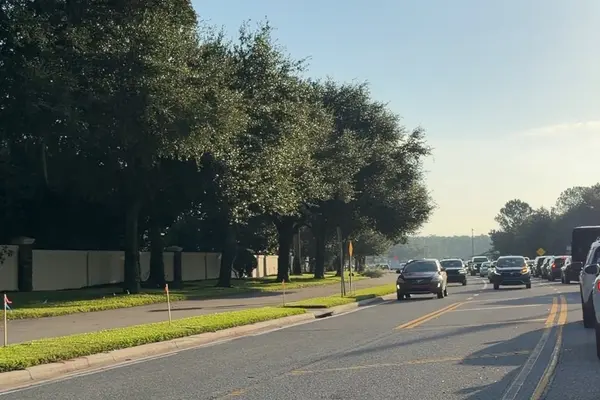
Ficquette Road Widening and Two Roundabouts: An Update for Horizon West Drivers
Quick Answer Orange County is widening Ficquette Road from two lanes to four in Horizon West, with a roundabout planned where Ficquette, Reams Road, and Summerlake Park Boulevard meet. A second, separate roundabout at Seidel Road is currently expected in the fourth quarter of 2027. Ficquette is curr

Downtown Windermere: A Local Guide to Main Street and the Friday Farmers Market
Quick Answer The Windermere Farmers Market runs every Friday from 9:00 am to 1:30 pm, weather permitting, at Town Square Park, 520 Main Street, between 5th and 6th Avenues in downtown Windermere. The Town of Windermere hosts it, friendly leashed pets are welcome, and the market is currently at vendo

Is a Buyer Representation Agreement Mandatory in Florida?
Quick Answer No Florida state law requires a buyer representation agreement, but in practice you will need one. Since August 17, 2024, an agent who works with you through the MLS must have a written buyer agreement with you before touring a home. That rule comes from the NAR settlement, and the term