
Quick Answer
Earnest money is your good faith deposit, held in escrow by a neutral holder named in your contract, not paid to the seller at signing. Under the As Is contract, the initial deposit is due within 3 days of the Effective Date if the blank is empty. At closing it is credited toward your purchase price.
Florida earnest money at a glance
- Who holds it: the Escrow Agent named in the contract, usually a title company, attorney, or broker
- Initial deposit due: within 3 days after the Effective Date if the blank is left empty
- Additional deposit: defaults to 10 days after the Effective Date if the blank is empty
- How much: no state set amount, it is negotiated in the offer
- At closing: credited to you toward the purchase price
Does the earnest money go to the seller?
Buyers new to Florida picture their deposit landing in the seller's bank account the week the contract signs. It never works that way here.
 The earnest money, also called the escrow deposit or good faith deposit, sits with a third party, the Escrow Agent the contract names, for the life of the deal. The seller cannot spend it. You cannot take it back on a whim. It moves only the way the contract and Florida law allow: applied to your purchase at closing, refunded when the contract gives you that right, or fought over when a deal falls apart.
That structure protects both sides: the seller gets proof you are serious, held by someone neutral, and you get rules instead of a handshake. The full walkthrough lives on my Earnest Money and Escrow guide page, Step 3 of the Buyer's Guide.
What is earnest money, and what is it not?
It is part of your purchase price, paid early. At closing it is credited to you on the settlement statement, so every dollar of it comes off the cash you still owe.
What it is not:
- Not a fee. Nobody earns it for processing your offer. It is your money, held to the terms of the contract.
- Not the down payment. The down payment is the full gap between your loan and the price. The deposit is the first piece of it, paid early.
- Not a tip to the seller. It never reaches the seller unless the deal closes or the contract's default terms say it does.
Who can hold escrow in Florida?
The contract names one Escrow Agent. In Orlando area deals it is usually one of three:
- A title company. The most common choice here, often the same company that will handle the closing.
- A real estate attorney. Common when a lawyer is already involved on one side.
- A real estate broker. One of the brokerages in the transaction can hold the funds in the broker's escrow account.
When a broker holds the money, Florida law wraps it in deadlines. A sales associate who receives a deposit must deliver it to the broker no later than the end of the next business day. The broker must then place it in the escrow account no later than the end of the third business day. Saturdays, Sundays, and legal holidays do not count as business days. Those deadlines come from the Florida Real Estate Commission's escrow rules (Chapter 61J2-14, Florida Administrative Code, under Chapter 475, Florida Statutes). Florida Realtors keeps a plain language summary on its Florida escrow laws and rules page.
One detail worth checking on every contract: when the deposit goes to a title company or an attorney, that holder's name, address, and phone number must be written into the contract. A blank or a "to be determined" in the Escrow Agent section is a problem to fix at signing, not at closing.
When is the earnest money deposit due?
The As Is contract handles the timing in Paragraph 2, and the blanks matter:
- Initial deposit. The contract gives two choices: it accompanies the offer, or it is delivered within a set number of days after the Effective Date. If that blank is left empty, the default is 3 days. If neither box is checked, the contract treats the second option as selected.
- Additional deposit. Many offers add a second deposit, often after the inspection period. The blank defaults to 10 days after the Effective Date if it is left empty.
- The clock. Deadlines run in calendar days counted from the Effective Date, which is the date the last party signed and delivered the final contract or counter offer.
Three days sounds generous until a weekend eats two of them. Wire or deliver the initial deposit the day the contract signs and the deadline stops being a risk at all. My As Is contract guide page covers the other blanks.
How much earnest money do you need?
No Florida law sets the amount. Read that again, because out of state buyers arrive with rules of thumb from other markets and treat them like statutes.
The deposit is a negotiated term of the offer, like price and closing date. A bigger deposit tells the seller you are committed and have cash on hand. A leaner one keeps your money flexible but reads softer next to a competing offer. The right number depends on the price of the home, the competition for it, and how much risk you are willing to carry if the deal goes sideways. Have that strategy conversation before the offer is written, because once the contract signs, the amount and the due dates are fixed. My Buyer's Guide walks through how the deposit decision fits the rest of the offer, and the payment calculators help you plan cash to close.
What happens to the money at closing?
 The simple part. The escrow holder disburses the deposit as part of the closing funds, and it lands on your settlement statement as a credit toward the purchase price. Deposit $10,000 during the contract and your cash to close drops by exactly $10,000. That credit is why the deposit amount belongs in your closing math from day one, and why you should check that it shows up as a credit when you review your closing paperwork. Read your settlement statement line by line before closing day, and ask your closing agent to point to the deposit credit. If you wire any funds, call the title company at a phone number you already have before you send, because wire instructions are a common fraud target.
When can a buyer actually lose the deposit?
Here is the honest part, and the reason the deadlines in the As Is contract matter so much.
The deposit is generally refundable while your contract protections are alive and you follow them: cancel in writing inside the inspection period, or terminate under the loan approval terms with the required written notice before that period expires, and the deposit comes back. The deposit is at risk when you step outside those protections:
- You default. If you simply fail to close without a contract right to cancel, the seller can claim the deposit under the contract's default terms.
- You miss a notice deadline. Several protections in the As Is contract only work if the written notice lands before the period expires. Miss the date and the protection lapses, even if your reason was valid.
- You waive the protections. Cash deals and waived contingencies close faster, and they leave the deposit exposed sooner. That trade is sometimes smart. It should never be accidental.
What happens when both sides claim the money?
Sometimes a deal dies and buyer and seller both say the deposit is theirs. The escrow holder does not get to pick a winner. Paragraph 13 of the As Is contract covers escrow disputes, and when the holder is a broker, Chapter 475 sets the procedure.
The broker must notify the Florida Real Estate Commission within 15 business days of receiving the conflicting demands, then resolve the dispute through one of four paths: an escrow disbursement order from the Commission, available for disputed amounts of $50,000 or less, mediation, arbitration, or interpleader, where the broker deposits the funds with the court and a judge decides. Title companies and attorneys are not under the Commission's process, but they still cannot release the money to one side over the other's objection without a court order or a written agreement from both parties.
One cost warning from Paragraph 13 itself: if the holder files an interpleader, the contract allows the holder to recover reasonable attorney fees and costs out of the escrowed funds. A court fight can eat a real share of the money being fought over, which is why most deposit disputes settle with a signed release long before a judge sees them.
Buying in Winter Garden, Windermere, Oakland, Dr. Phillips, Clermont, or anywhere around Orlando and want the deposit strategy settled before you write an offer? Message me. The amount, the escrow holder, and the deadlines are three short lines in the contract that decide a lot of money.
This post is general education about Florida earnest money and escrow. It is not legal advice. For questions about your specific contract or a disputed deposit, talk to a Florida real estate attorney.
Frequently asked questions
How much earnest money do you put down in Florida?
There is no state mandated amount. The deposit is negotiated as part of the offer. Stronger deposits make an offer read as more committed, and the right size depends on the home's price, the competition, and how much risk you accept if the deal fails.
When is the earnest money due in Florida?
Under the Florida Realtors and Florida Bar As Is contract, the initial deposit accompanies the offer or is due within the number of days written in Paragraph 2 after the Effective Date. If that blank is empty, the default is 3 days. An additional deposit defaults to 10 days after the Effective Date if its blank is empty.
Who holds the earnest money in a Florida home purchase?
The Escrow Agent named in the contract: usually a title company, a real estate attorney, or one of the brokers in the transaction. If a broker holds it, Florida rules require the deposit to reach the broker's escrow account within three business days of the associate receiving it.
Do you get earnest money back if the deal falls through?
It depends on why the deal ended and whether you followed the contract. Cancel with the required written notice inside a live contingency, such as the Inspection Period or the loan approval terms, and the deposit is refunded. Default outside those protections and the seller can claim it.
What happens if the buyer and seller both claim the deposit?
The escrow holder cannot choose a side. A broker holding the funds must notify the Florida Real Estate Commission within 15 business days of the conflicting demands and pursue an escrow disbursement order, mediation, arbitration, or interpleader. The parties can also sign a written release agreement at any point and end it.
Sources checked November 9, 2026: Florida Realtors and Florida Bar As Is Residential Contract for Sale and Purchase (Rev. 12/24), Paragraphs 2 and 13; Florida Administrative Code Chapter 61J2-14 and Chapter 475, Florida Statutes; Florida Realtors escrow laws and rules summary (deposit delivery deadlines, 15 business day notice, $50,000 escrow disbursement order limit); s. 475.25(1)(d), Florida Statutes (settlement procedures). General education, not legal advice.
Mike Vein | Orlando | REALTOR
eXp Realty
(407) 612-2722
Realty@MikeVein.com
Mike Vein, REALTOR® | eXp Realty | Florida license SL3610199
FROM OUR BLOG

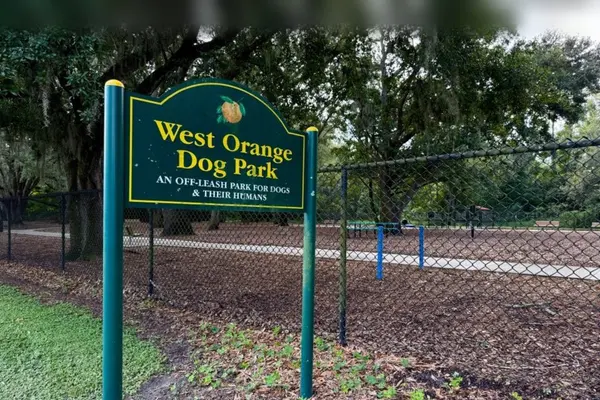
Dog Parks in Winter Garden and Windermere: Where the Local Dogs Actually Run
Quick Answer Orange County runs the off leash dog parks near Winter Garden and Windermere. In Winter Garden, use West Orange Dog Park at 12400 Marshall Farms Road or the dog park at Independence Park, 5849 New Independence Parkway. Windermere has no town dog park, but Summerport Park at 14491 Bridge

Wekiwa Springs State Park: A Spring Day Trip Near Winter Garden
Quick Answer Wekiwa Springs State Park in Apopka is a spring day, a trail day, and a paddling day at one address. The spring water stays 72 degrees all year, the park offers swimming, canoe and kayak paddling on the Wekiva River, and miles of trails, and day use reservations are required. Check the
The Florida Buying Process, Step by Step: From Pre-Approval to Keys
Quick Answer The Florida buying process runs in seven steps after pre-approval: sign a buyer representation agreement, write the As Is contract, deliver earnest money to escrow, inspect within the inspection period, clear the appraisal, get final loan approval, and do a final walk through. Every dea