
Quick Answer
The Florida buying process runs in seven steps after pre-approval: sign a buyer representation agreement, write the As Is contract, deliver earnest money to escrow, inspect within the inspection period, clear the appraisal, get final loan approval, and do a final walk through. Every deadline counts from the Effective Date.
The seven steps at a glance
- Buyer representation: put the working relationship in writing.
- The As Is contract: get the offer accepted and signed.
- Escrow and earnest money: deliver the deposit on time.
- The inspection period: inspect, decide, and act before the clock runs out.
- The appraisal: the lender's independent check on value.
- Loan contingency and approval: underwriting finishes the loan.
- The final walk through: verify the home, then close.
Why do the steps after finding a house matter so much?
Most buyers think the hard part of buying a home is finding the right one. Around Orlando, finding it is honestly the fun part. What decides whether you actually get the keys is a sequence of seven steps, each with its own deadline, and the deadlines are what trip people up.
The good news is that the sequence never changes. Once you know the order, a Florida purchase stops feeling like a pile of paperwork and starts feeling like a checklist. This post mirrors my own Buyer's Guide on this site, where each step gets a full page of its own.
What should you do before step 1?
Before the official steps start, do the unglamorous part: talk to a lender and get pre-approved. A pre-approval tells you what you can actually spend, what your payment looks like, and how much cash you need to close. Sellers take pre-approved buyers seriously, and in a competitive week, they may not take anyone else seriously at all.
Paying cash instead? You still start before step 1. Have your proof of funds ready, because sellers ask for it with the offer. Either way, this is general education to get you oriented, not a substitute for a lender looking at your real numbers.
What happens in step 1, buyer representation?
Before we tour homes together in earnest, we put our working relationship in writing. A buyer representation agreement lays out what I do for you, how long the agreement runs, and how compensation works, in plain terms, before anyone falls in love with a kitchen. My buyer representation page explains it step by step.
Florida Realtors covers how these written buyer agreements work in its NAR settlement FAQs, and the short version is this: the agreement is about clarity, not commitment tricks. You should know exactly who is working for you and on what terms before the first showing, not after the first offer.
What happens in step 2, the As Is contract?
When you find the home, we write an offer on the Florida Realtors and Florida Bar As Is contract, the form most residential deals in this area use. The day both sides sign is called the Effective Date, and nearly every deadline in the contract counts from that date.
As Is confuses people, so here is the plain version. It means the seller is not promising to make repairs. It does not mean you buy blind. The contract gives you an inspection period, covered in step 4, and the seller still has a duty to disclose known facts that materially affect the value of the home. Price, deposit, closing date, and the periods below are all written into the blanks, and the blanks are negotiable. My full walkthrough is on the As Is contract guide page.
What happens in step 3, escrow and earnest money?
Once the contract is signed, your earnest money deposit goes to the escrow agent named in the contract, usually a title company or an attorney. Escrow is a neutral third party holding your money under the contract's rules, so neither side is just trusting the other. The escrow and earnest money page has the details.
Timing matters here. The initial deposit is due 3 days after the Effective Date when the contract follows the printed default. Miss that date and you have a contract problem, not a paperwork delay. At closing, the deposit is credited back to you as part of your funds. Whether it is refundable along the way depends on the contract and its deadlines, which is exactly why the next step matters so much.
What happens in step 4, the inspection period?
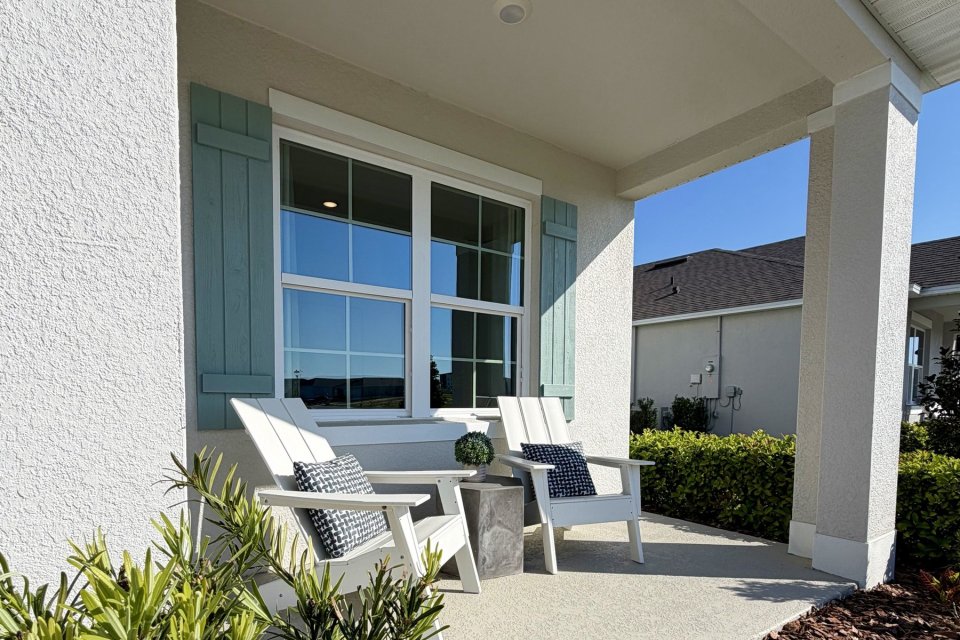 This is your window to inspect the home and decide, with full information, whether to move forward. You hire the inspectors, you pay for the inspections, and you can have the general inspection plus specialists for things like the roof, the pool, or wood destroying organisms. The inspection period page covers what to schedule and when.
If the contract leaves the inspection period blank, it defaults to 15 days after the Effective Date. Inside that window, you may cancel the contract in your sole discretion by giving written notice before the period expires. That is the strongest protection a Florida buyer gets, and it expires on a date certain. Once the period ends, that easy exit is gone. Put every deadline on your calendar the day the contract is signed.
What happens in step 5, the appraisal?
If you are financing, your lender orders an appraisal, an independent opinion of value from a licensed appraiser. The lender is protecting its loan, but the result protects you too, because nobody wants to pay more for a home than it is worth on paper. See the appraisal page for more.
If the appraisal comes in at or above the price, this step is a quiet checkbox. If it comes in low, we talk options: renegotiate the price, cover part of the gap with cash, or look at what protections your contract gives you. The right move depends on your contract terms and your cash position, which is why we plan for this conversation before it happens, not during it.
What happens in step 6, loan approval?
While inspections and the appraisal are moving, your lender is underwriting the loan: verifying income, assets, and the property itself. The contract gives this a deadline too. If the loan approval period is left blank, it defaults to 30 days after the Effective Date. My loan contingency page walks through it.
Your job in this step is simple and not glamorous. Send documents fast when the lender asks, do not open new credit cards, do not buy a car, and do not move money around without telling your lender first. Most loan drama comes from a buyer surprising their own underwriter. Cash buyers skip this step entirely, which is one reason sellers love them. Answer every lender request the same day if you can.
What happens in step 7, the final walk through?
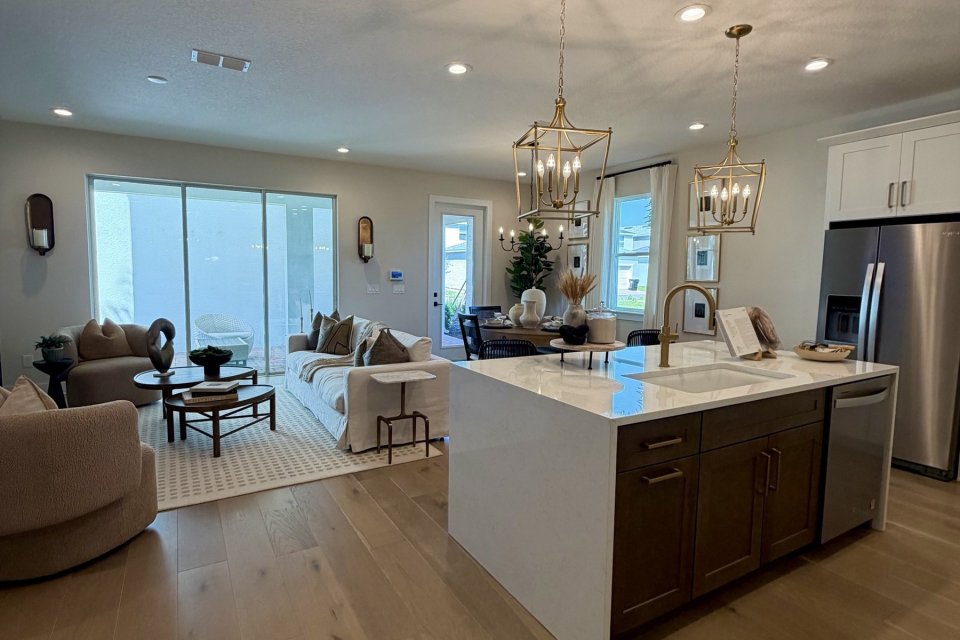 Right before closing, we walk the home one last time. The final walk through confirms the home is in the condition the contract requires, any agreed repairs are done, the items that were supposed to stay are still there, and nothing has been damaged since your inspection. The final walk through page has a checklist.
Then comes closing day: signatures, funding, recording, and keys. Seven steps, in order, and you are a Florida homeowner.
Buying your first Florida home, or moving here from a state that does it differently? Message me before you start touring. I will walk you through this same sequence for your situation, your timeline, and your price range, so the deadlines never sneak up on you. Bring your pre-approval letter if you have one, plus a rough idea of your timeline.
Related reading: What AS IS means in a Florida contract, what parts of an offer are negotiable, and Florida home inspections and how to choose an inspector.
This post is general education about how the process works. It is not legal advice. For questions about your own contract, talk to a Florida real estate attorney.
Frequently asked questions
How long does it take to buy a home in Florida?
Your contract sets the closing date, and the steps run against the deadlines written into it. The two printed defaults to know are a 15 day inspection period and a 30 day loan approval period, and both apply only when the contract leaves those blanks empty.
What is the Effective Date in a Florida contract?
It is the date the contract becomes fully signed by buyer and seller. Nearly every deadline in the contract, including the deposit, inspection, and loan approval deadlines, counts from the Effective Date.
How much earnest money do I need, and when is it due?
The amount is negotiable and written into the contract. Under the printed default, the initial deposit is due 3 days after the Effective Date and is held by the escrow agent named in the contract until closing or as the contract directs.
Can I cancel during the inspection period?
Yes. Under the As Is contract, you may cancel in your sole discretion by giving written notice before the inspection period expires. You pay for your own inspections, and you are responsible for repairing any damage your inspections cause.
Do I really need a buyer representation agreement before touring homes?
If you want an agent working for you, expect to sign one before touring in earnest. It puts the services, the term, and how compensation works in writing up front. I explain the details on my buyer representation guide page.
Sources checked October 24, 2026, and the default deadlines compared with this site's own buyer guide pages on Nov 9, 2026: Florida Realtors and Florida Bar As Is Residential Contract for Sale and Purchase (Rev. 12/24); Florida Realtors NAR settlement FAQs; the buyer guide pages on mikevein.com. General education, not legal advice.
Mike Vein | Orlando | REALTOR
eXp Realty
(407) 612-2722
Realty@MikeVein.com
Mike Vein, REALTOR® | eXp Realty | Florida license SL3610199
FROM OUR BLOG
Florida Home Inspections Explained: The Types, and How to Choose an Inspector
Quick Answer Florida buyers usually schedule several inspections, not one: a general inspection for the buyer, a WDO inspection by a licensed pest control company, a wind mitigation report for insurance, and a 4 point for older homes. Choose a home inspector by verifying their Florida license, readi

Winter Garden vs. Windermere vs. Oakland: How to Choose Your Side of the Lakes
Quick Answer Choose Winter Garden for a real downtown and a full calendar, Windermere for lake life on the Butler Chain of Lakes, and Oakland for the quietest version of this lifestyle, with the West Orange Trail as its main street. All three sit in west Orange County and use Orange County Public Sc
How to Prepare to List Your Home: A 30 Day Plan for Orlando Area Sellers
Quick Answer To prepare a home to list, work backward from the sign date over about four weeks: declutter and gather paperwork first, then deep clean, touch up paint, and fix curb appeal, then photos and a pricing conversation, and finally a showing routine. Start your Florida seller disclosure earl