
Quick Answer
A Seller's Property Disclosure is the written form where a Florida seller tells the buyer what they know about the home's condition. Under Johnson v. Davis, sellers must disclose known facts that materially affect value and are not readily observable. Florida Statute 689.302 also requires a flood disclosure at or before the contract is signed.
Seller's disclosure in Florida at a glance
- The rule: disclose known facts that materially affect value, are not readily observable and are not known to the buyer (Johnson v. Davis, 1985).
- The form: Florida does not mandate one form, and most sellers use the Florida Realtors Seller's Property Disclosure.
- Flood disclosure: required by Florida Statute 689.302, at or before the sales contract is signed.
- As Is contracts: they change who pays for repairs, not the duty to disclose.
- No digging required: the duty covers what you actually know.
The form sellers dread, for no good reason.
It comes up at the start of nearly every sale. A seller leans in and asks some version of: how much do I actually have to tell them?
Here is the good news: Florida's rule is simpler and fairer than most people fear. It is built on one idea, and once you hear it, the form stops being scary and starts being protection.
That idea comes from a court case about a leaky roof.
Where does the duty to disclose come from?
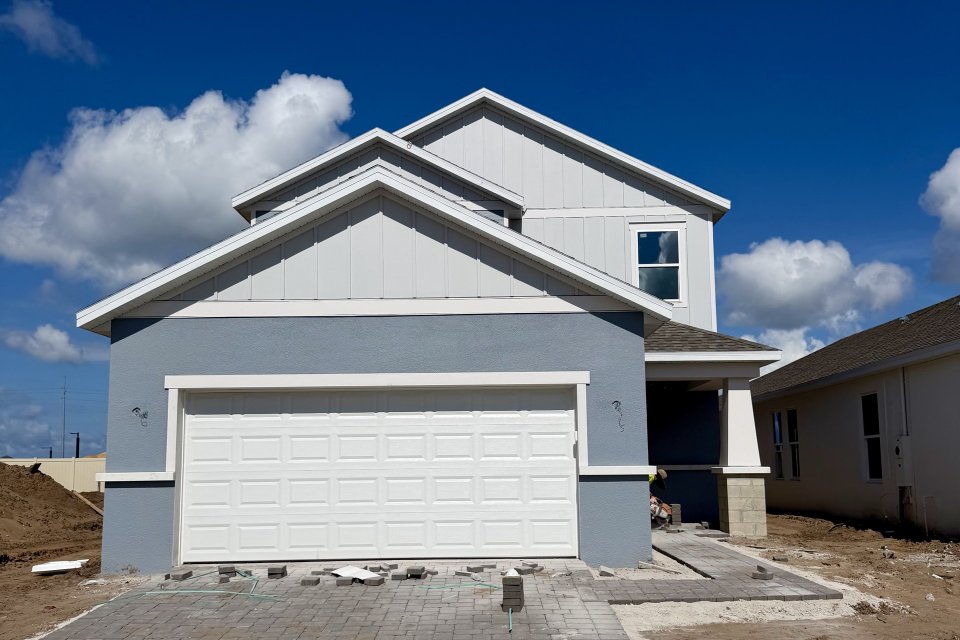 In 1985, the Florida Supreme Court decided Johnson v. Davis, 480 So. 2d 625. The buyers asked about water stains and were told there were no roof problems. Then came a heavy rain, water through the ceiling, and an inspection that found a defective roof.
The court used that case to change Florida real estate. In its words, where the seller of a home knows of facts materially affecting the value of the property which are not readily observable and are not known to the buyer, the seller is under a duty to disclose them to the buyer. The duty applies to new and used homes alike.
Before that ruling, Florida leaned toward buyer beware. After it, a seller who knows about a hidden problem and stays quiet has real legal exposure.
What exactly has to be disclosed?
Lawyers break the Johnson v. Davis rule into three questions, and it is the same test sellers should walk through:
- Is there a fact about the home that materially affects its value?
- Do you, the seller, actually know about it?
- Is it something the buyer does not know and cannot readily observe?
If the answer to all three is yes, disclose it. A past roof leak you repaired. Water intrusion behind a wall. A sinkhole repair. Termite damage you treated. Flooding after a storm.
Notice what the rule does not require. You do not have to hire inspectors to go looking for problems you do not know about. You do not have to disclose a scratch a buyer can see, or an issue that does not materially affect value. The duty covers known, hidden, value affecting facts. That is the line.
What is the disclosure form itself?
Here is the part that surprises people: Florida law sets the duty, but it does not mandate one single form. In practice, most sellers complete the Seller's Property Disclosure form from Florida Realtors, question by question, based on their actual knowledge.
The form walks through the life of the house, including:
- Legal claims, complaints, or proceedings affecting the property
- Boundary disputes
- Sinkholes, past or present
- Environmental hazards, such as asbestos, lead based paint, mold, or defective drywall
- Infestations or damage from wood destroying organisms, like termites and fungi
- Water intrusion, past or present
- The condition of structural and essential systems: roof, plumbing, electrical, appliances, pool, and HVAC
- Association membership and restrictions, where they apply
You answer based on what you know, and where you genuinely do not know, the form lets you say so. Guessing is worse than saying unknown.
What about the separate flood disclosure?
This one is newer, and it is a statute, not just a court rule. Under Florida Statute 689.302, effective October 1, 2024, a seller must complete and provide a flood disclosure to the buyer at or before the sales contract is executed.
The flood disclosure asks whether:
- You know of flooding that damaged the property during your ownership
- You have filed a claim with an insurance provider for flood damage on the property
- You have received federal assistance for flood damage to the property
The statute defines flooding broadly: overflow of inland or tidal waters, rapid accumulation of runoff from an established source like a river, stream, or drainage ditch, and sustained standing water from rainfall. The form also reminds buyers that a standard homeowner policy does not cover flood damage, which matters here in lake country.
Florida Realtors has a plain English summary in its news coverage of the flood disclosure law.
Does an As Is contract remove the duty to disclose?
 No. It matters enough to repeat from the earlier As Is post: an As Is contract changes who pays for repairs, not who has to tell the truth.
Under an As Is contract the seller is not agreeing to fix anything, and the buyer takes the home in its current condition. But Johnson v. Davis still applies. A known, hidden, value affecting problem still has to be disclosed, As Is or not. The Florida As Is Contract guide page has the deep version.
Honestly, disclosure is a seller's friend. A buyer who learns about an issue from your form prices it in and moves forward. A buyer who discovers it after closing calls a lawyer.
How should a seller actually approach this form?
Four habits that keep a sale smooth:
- Fill it out early, before your home hits the market, not at the contract table.
- Answer from records, not memory. Permits, invoices, and insurance claims jog the details loose.
- When in doubt about whether something is material, disclose it and let the buyer decide it does not matter.
- Never paint over a story. Buyers and inspectors find them, and a cover up reads far worse than the original problem.
Thinking about selling in Winter Garden, Windermere, Clermont, or anywhere around Orlando? Start with the guide to selling your home, then message me before you fill out a single form. We will get the paperwork right the first time.
Related reading: What Does As Is Mean in a Florida Real Estate Contract?, What Parts of an Offer Are Negotiable in Florida?, the Inspection Period guide and the Escrow and Earnest Money guide.
This post is general education about Florida disclosure rules. It is not legal advice. For advice about your specific property and situation, talk to a Florida real estate attorney.
Share this one: Know a neighbor thinking about selling next year? Send them this before they fill out their disclosure. Fifteen minutes of reading now can save them a five figure headache later.
Frequently asked questions
Is a Seller's Property Disclosure required in Florida?
Yes. The duty comes from Johnson v. Davis. No single form is mandated, but most sellers use the Florida Realtors disclosure form, and a separate flood disclosure is required by Florida Statute 689.302.
What do I have to disclose when selling a house in Florida?
Known facts that materially affect the value of the home, are not readily observable, and are not known to the buyer. Think past roof leaks, water intrusion, sinkhole activity, termite damage, and flooding.
Do I have to inspect my home to find problems before selling?
No. The duty covers facts you actually know. You are not required to hire inspectors to discover unknown problems, although anything you do learn becomes part of what you know.
Does selling As Is mean I do not have to disclose anything?
No. An As Is contract removes the seller's obligation to make repairs. It does not remove the duty to disclose known, hidden defects that materially affect value.
When is the flood disclosure given to the buyer?
At or before the time the sales contract is executed, under Florida Statute 689.302, which took effect October 1, 2024.
Sources: Johnson v. Davis, 480 So. 2d 625 (Fla. 1985); Florida Statute 689.302 on the Florida Legislature website (checked October 26, 2026); Florida Realtors, new flood disclosure requirements (August 2024). General education, not legal advice.
Mike Vein | Orlando | REALTOR
eXp Realty
(407) 612-2722
Realty@MikeVein.com
Mike Vein, REALTOR® | eXp Realty | Florida license SL3610199
FROM OUR BLOG


Ovation Orlando: What Accesso Is Building Near Disney, and What the Delta Hotel News Means
Quick Answer Accesso plans to break ground on Ovation Orlando in the first half of 2027, with all three districts expected to open in 2028. The project would replace the abandoned Orlando Sun Resort site at Interstate 4 and US 192 with dining, retail, entertainment, and three hotels. No tenants are
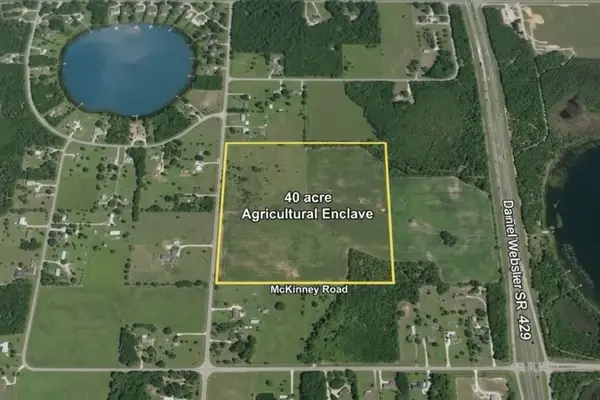
Avalon Road Agricultural Enclave Hearing: What to Know Before Nov. 10
Quick Answer Orange County commissioners are scheduled to hold a public hearing on November 10, 2026, on whether to certify the property at 5477 Avalon Road as an Agricultural Enclave under Florida Senate Bill 686. Certification would not approve a subdivision or authorize construction, but state la

What Parts of an Offer Are Negotiable in Florida? Almost All of Them
Quick Answer In Florida, almost everything in an offer is negotiable except the printed wording of the contract form. Price, deposit, closing date, financing terms, inspection period, title and survey costs, seller credits, included items, possession date and riders are all on the table. Form defaul